Reprofiling
Reprofiling is the process of recutting or deepening the grooves in the existing tread of a truck tire. This creates additional tread depth, allowing the tire to remain in service longer without the need to apply new rubber.
Schedule an appointment- Buy your truck tires directly from us
- Shipped from our warehouse in Deventer
- We’re happy to provide you with advice
What is the difference between tread renewal and reprofiling?
With reprofiling, the existing tread is recut to create additional tread depth. The tire remains otherwise unchanged. With tread renewal, the worn tread is completely removed and replaced with a new tread applied to the same carcass. Both techniques extend the life of a tire.
In practice, reprofiling and retreading are not mutually exclusive. On the contrary: they are often performed one after the other. First, reprofiling is done to get extra kilometers out of the existing tread, and then—when the tread is truly worn out—retreading is chosen.
Interested in our full product range?
Check out our online store!
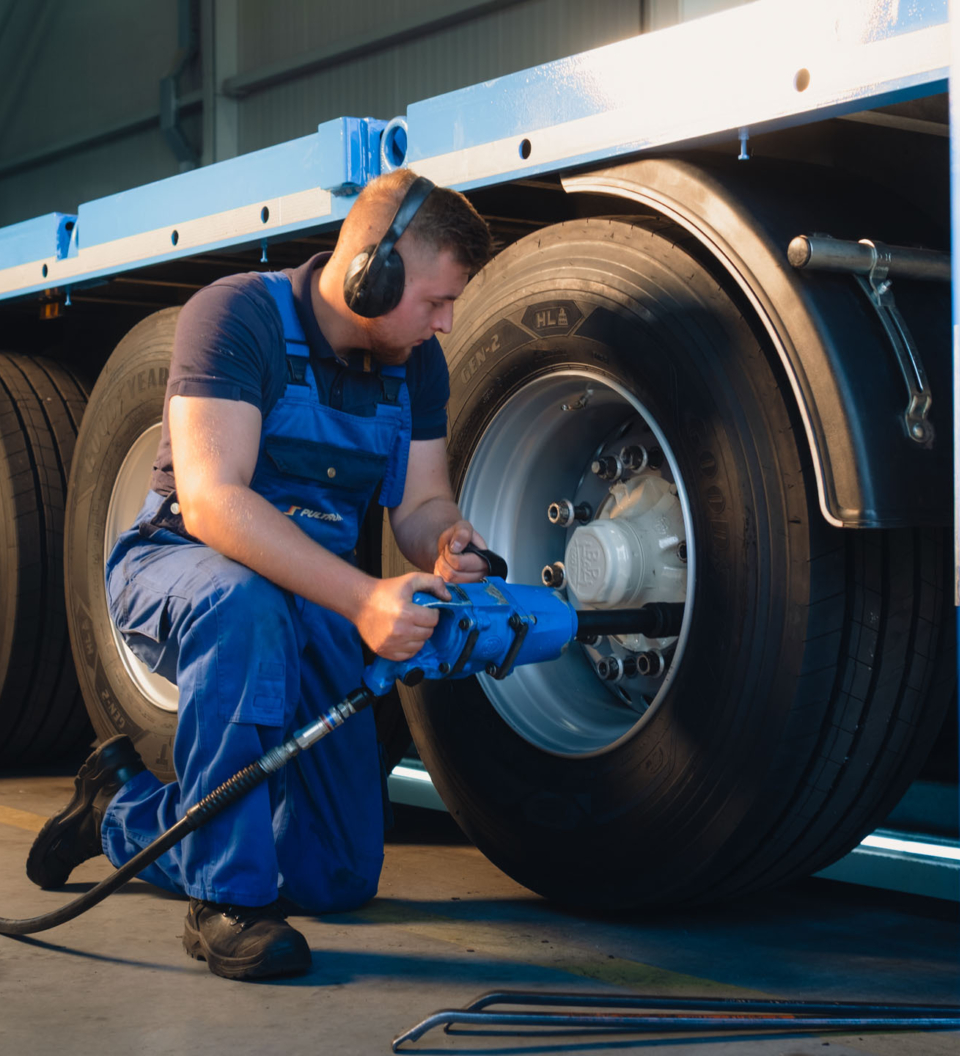
What are the benefits of reprofiling?
The biggest advantage of reprofiling is that you get more kilometers out of the same tire. This directly translates to lower tire costs per kilometer. In addition, the extra tread depth improves water drainage and traction compared to a worn-out tire. Because the tire carcass is used to its full potential and replacement is delayed, reprofiling fits well within a sustainable business model.
Would you like to get to know us better?
Request our free brochure today!
How does retreading work?
Retreading always begins with a thorough inspection of the tire. This involves assessing the condition of the carcass, the wear pattern, and whether the tire is suitable for retreading. Next, new grooves are cut into the tread using special, heated tools. The depth and position of these grooves are tailored to the tire’s construction and established guidelines. Afterward, a final inspection is conducted before the tire is put back into service.
reprofiling too deeply can damage the carcass and negatively affect safety. Therefore, it is important that reprofiling be performed only when there is sufficient rubber reserve. Reprofiling is not recommended if the tire is not designed to be reprofiled, if there is visible carcass damage, or if the wear pattern is uneven and extreme.
Service Life of Truck Tires
Smart tire selection and proper maintenance make all the difference
The service life of a truck tire depends on several factors, such as driving style, maintenance, age, and the tire selected. By maintaining proper tire pressure, performing regular inspections, and utilizing reprofiling and tread renewal, you improve both safety and the total cost per kilometer.
That’s exactly why it’s important to look beyond just the price when purchasing truck tires. The right tire, tailored to your operating conditions, will last longer and perform better. Mijnheer Truck Banden is happy to work with you and help you make a sustainable, cost-effective choice. View our truck tires.
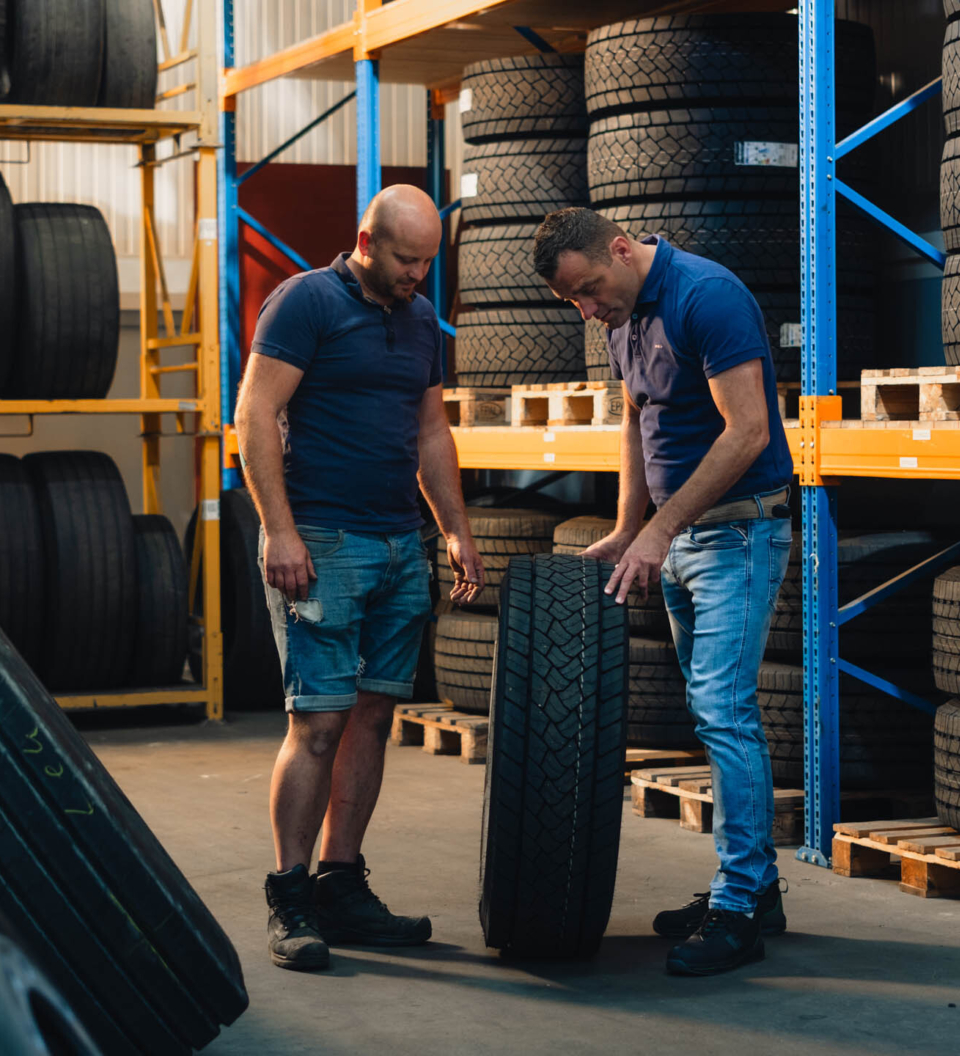
How We Ensure Success
01 We prioritize personal contact
It’s no coincidence that we call ourselves “tire creators.” We regularly stop by to catch up with you or one of your employees.
02 We provide expert advice
Figuring out for yourself which tires are the best choice for which truck? Not with us. We advise you personally, drawing on our years of experience.
03 We offer competitive prices
We guarantee you the best value per kilometer. We don’t go for the cheapest tire, but for the best tire tailored to the environment.
Frequently Asked Questions About reprofiling
Is it allowed to reprofile tires?
Yes, retreading is permitted as long as the tire is designed for it and the process is carried out in accordance with applicable guidelines. In some countries, additional requirements or restrictions apply to the use of retreaded tires on specific axles.
How much longer do tires last after reprofiling?
Retreading can significantly extend a tire’s total service life. Depending on the application and operating conditions, an extension of 15 to 30 percent is realistic.
How often can tires be retreaded?
In practice, a tire is usually retreaded once. How often this is possible depends on factors such as tire construction, application, axle load, driving style, and maintenance.
What savings do you achieve by reprofiling tires?
Reprofiling reduces costs per kilometer because tires last longer and replacement is delayed. In addition, the carcass is utilized more efficiently.
Are retreaded truck tires less safe?
No, provided that regrooving is performed correctly and only on suitable tires. A reprofiled tire has more tread depth than a worn tire and can therefore offer better traction and water drainage. However, improper execution or use on unsuitable tires does pose a risk.
Can any truck tire be retreaded?
Not every truck tire is suitable for reprofiling. Only tires that are designed and marked for this purpose, and that are in good technical condition, can be safely reprofiled.
Is regrooving a sustainable choice?
Yes. By extending the service life of tires, reprofiling reduces the consumption of raw materials and the amount of tire waste. For transportation companies focused on TCO, CO₂ reduction, and efficient fleet management, reprofiling is a logical and sustainable measure.
Custom advice
Go to online storeSchedule an appointment, we are happy to visit you for a nonobligatory consultation.