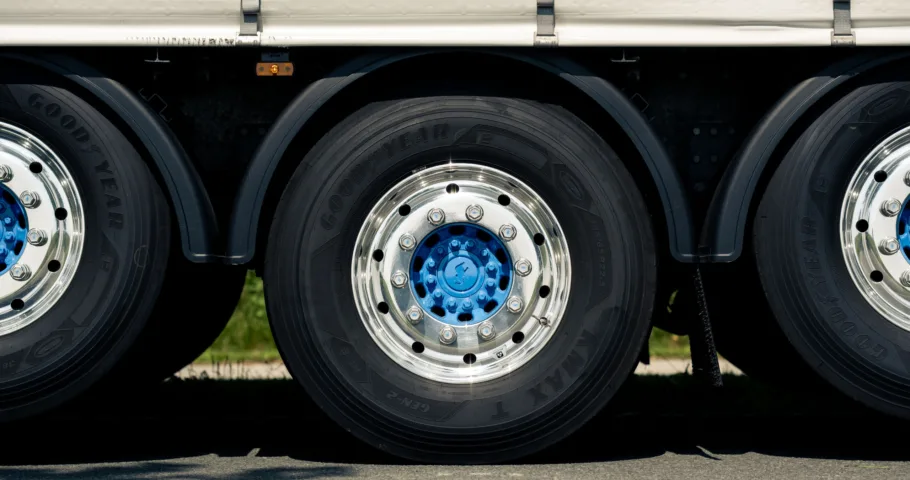
For transportation companies, truck tires are a major expense. However, the purchase price isn’t the whole story. Safety, fuel efficiency, and service life are just as important. In this blog, we explain how much a truck tire costs and what factors influence the price.
What is the price of a truck tire?
The average price varies widely:
- Budget brands: €100 – €250
- Average quality: ±€300
- Premium brands: €400 – €600 or more.
Drive tires are the most expensive. They are often heavier-duty and feature a tread and carcass designed to transmit drive power. That extra reinforcement makes them more expensive than steering tires or tires on a semi-trailer.
What determines the price of a truck tire?
The price of a truck tire depends on several factors. It’s important to take these into account when making a purchase. Modern truck tires are often more expensive to buy, but they last longer and consume less fuel. As a result, the cost per kilometer decreases.
At Mijnheer Truckbanden, we can provide you with advice, focusing on the best overall return on investment. The service life of the truck tire plays an important role in this, as do safety and reliability.
Of course, it’s not always necessary to choose the most expensive tire brand. But with true budget brands or cheap tires —often made with low-quality rubber—you’ll find that quality and safety suffer. You pay less for them, but the risk is higher. We don’t work with those kinds of tires. Safety and consistent performance come first.
Brand and Quality
Premium brands such as Michelin, Continental, Bridgestone, and Goodyear offer tires that last longer and provide better traction. They’re more expensive than budget tires, but thanks to less wear and often lower fuel consumption, the cost per kilometer works out more favorably.
Size and Dimensions
Common tire sizes, such as 315/70R22.5, are often more affordable than special or non-standard sizes because they are produced on a large scale and sold in high volumes. The larger the production run, the lower the production costs per tire. Manufacturers can source, produce, and distribute more efficiently. That advantage is reflected in the price.
Special sizes are used less frequently. Production volumes are lower, and sometimes additional adjustments to the tread pattern, load capacity, or construction are required. As a result, the cost per tire is higher.
Availability is also a factor: standard sizes are usually available immediately from stock, while special sizes often need to be ordered.
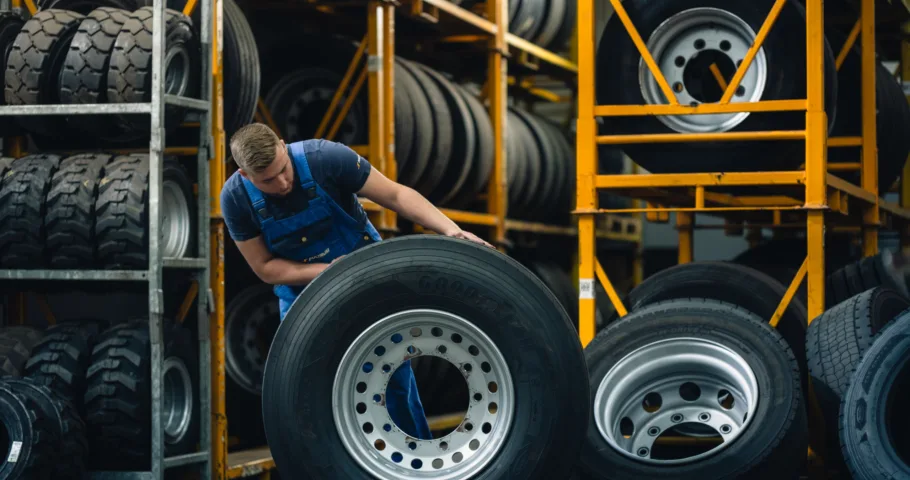
We have a large number of truck tires in stock at our warehouse in Deventer.
Application and Operating Conditions
Tires for long-haul transport, regional transport, or construction sites have different characteristics. Harsher conditions require reinforced casings and wear-resistant rubber, which increases the price.
Technology and innovations
Modern truck tires incorporate technologies that reduce operating costs:
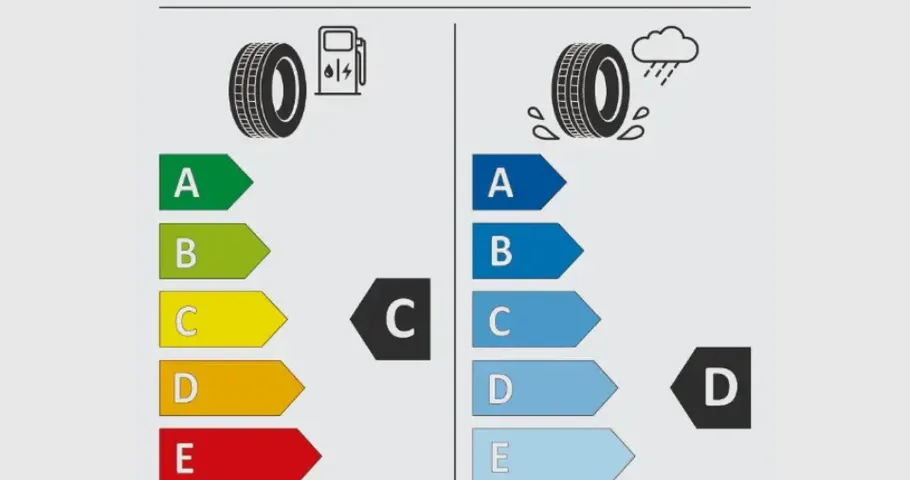
- Low rolling resistance for fuel savings
- Reteadable for a longer service life
- Reinforced casings for multiple service lives
Although this technology increases the purchase price, it ultimately saves costs per kilometer.
Total cost per kilometer
If you look only at the purchase price, you’re missing a big part of the story. You choose the right truck tire based on application, mileage, and desired service life. A tire that lasts longer, offers better fuel efficiency, and delivers reliable performance often yields greater value in the long run than a cheap purchase. For many transportation companies, a premium tire is therefore the most cost-effective choice in the long term.