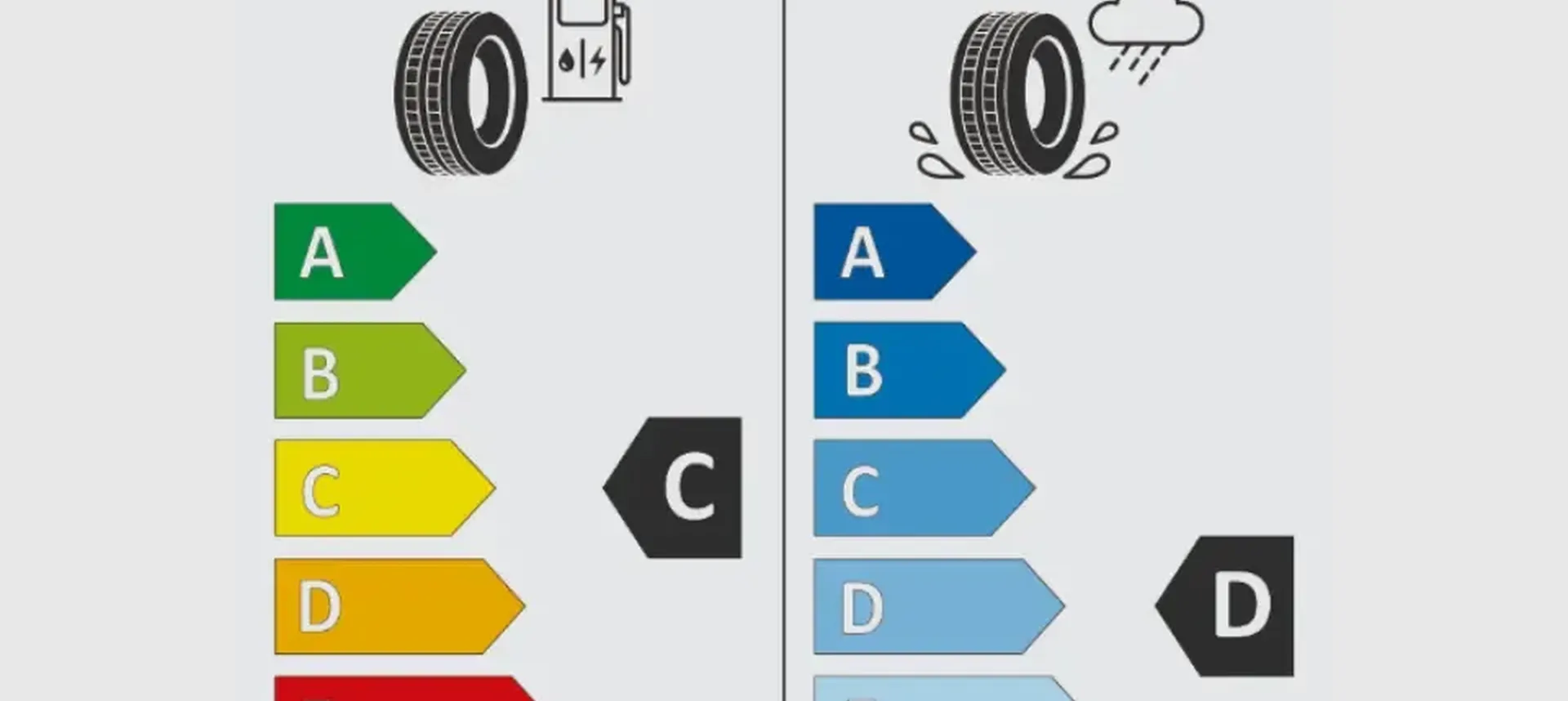
The EU Tire Label is a European classification system that evaluates tires based on three specific performance categories: fuel efficiency, wet grip, and external rolling noise. This information is displayed in grades ranging from A to G, with A being the highest rating and G the lowest. The label is intended to allow for objective comparisons between tires and to provide transparency when purchasing new truck tires.
Rolling Resistance and Fuel Efficiency
The rolling resistance of a truck tire determines how much energy is lost while driving. The lower the rolling resistance, the less fuel the vehicle needs to keep moving. For trucks, which travel long distances every day, this has a direct impact on fuel consumption and total operating costs. A higher classification on the tire label can therefore contribute to long-term savings and lower CO₂ emissions. The difference between an A and a B rating can result in fuel savings of 3.5 liters per 100 kilometers,
Wet Grip and Safety
Wet grip is an important safety indicator on the EU tire label. This value shows how effectively a tire brakes on wet asphalt. A better rating means a shorter braking distance in rain or wet weather conditions. An improvement of one class can reduce the braking distance by 5 to 10 meters during an emergency stop from 80 km/h.
External rolling noise and noise emissions
External rolling noise indicates how much noise a tire produces while driving. This noise is measured outside the vehicle and expressed in decibels, accompanied by sound wave symbols on the label. Tires with three sound waves do not meet noise regulations, while tires with one sound wave are more than 3 dB below the limit.
What doesn’t the tire label tell you?
Although the EU tire label provides valuable information, it does not give a complete picture of all the characteristics of a truck tire. Factors such as wear, service life, ride comfort, and suitability for specific applications are not taken into account. The tire label should therefore be viewed as a tool within a broader assessment.
Why the EU tire label is important for transportation
By fully understanding the EU tire label, transportation companies and drivers can make more informed choices. The label helps compare tires based on performance characteristics that directly impact costs, safety, and the environment.
At Mijnheer Truckbanden, we’re happy to provide you with advice on selecting the right truck tire. Thanks to this comprehensive advice—delivered right at your location—you’re guaranteed to purchase the right truck tires for your fleet.